
Simplifying the return process through
seamless delegation and real-time tracking.
Role
UI/UX Designer, Marketer
Duration
3/14/2024 - 3/23/2024
Tools
Figma, Illustrator
Team
Matthew Choumenkovitch
Joshua Corbett
Izzy Chitkara
Overview
Boxhound is a startup concept developed as part of an Entrepreneurship Business & Plan course. It is a mobile platform for item pickup and return services.
What I did
As the product designer for BoxHound, I led the end-to-end experience from research to prototype. I identified key user pain points and translated them into a structured, pickup-based return flow, while designing a consistent interface and system.
Problem Statement
“I didn’t have time to make a return during exams.”
Users struggle to complete returns due to time constraints and physical effort required to visit drop-off locations.
Solution
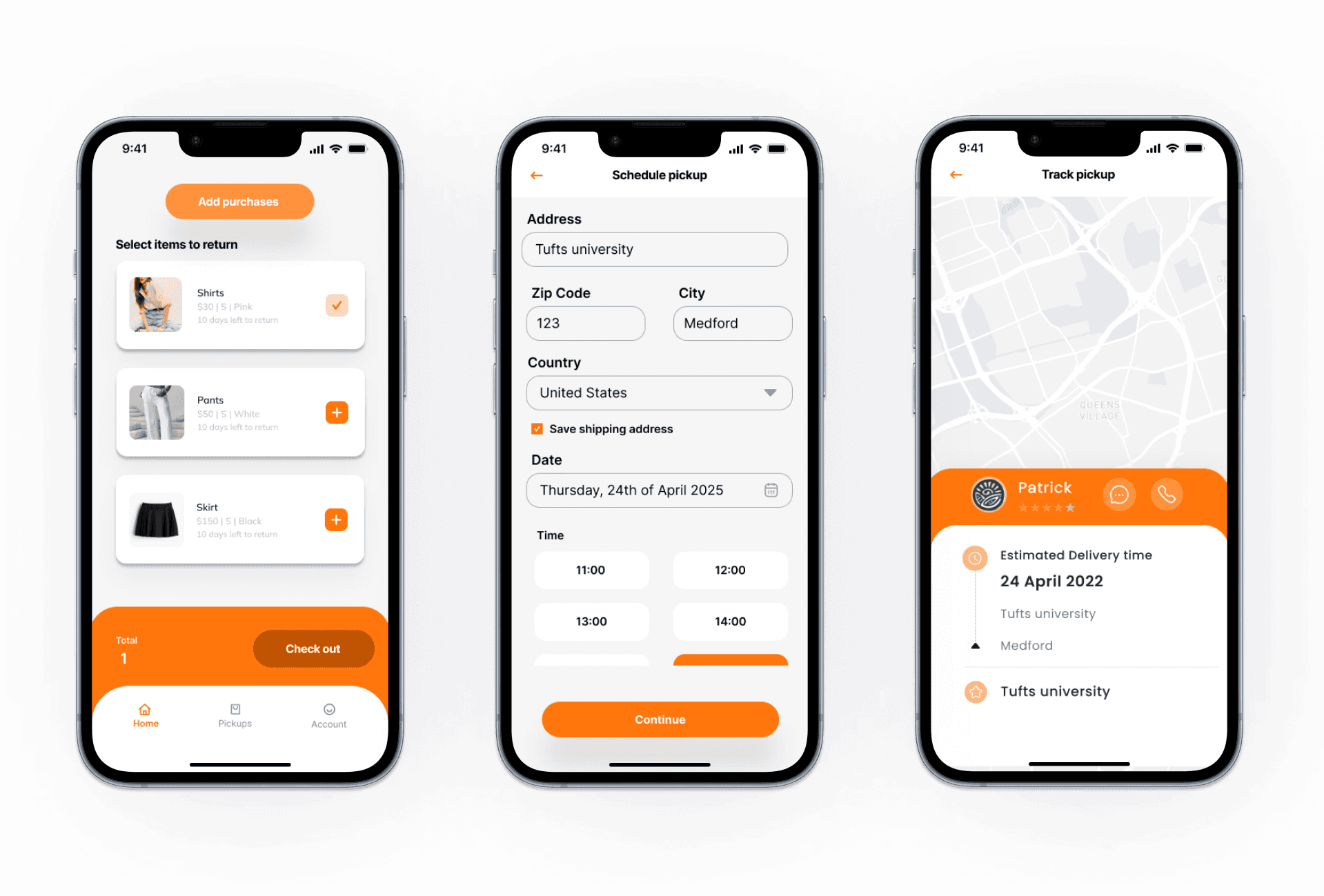
Making item selection
quick & effortless
Seamlessly access and select purchased items through automatic syncing, eliminating the need for manual input and reducing initial friction.
Preparing everything in advance
for a smooth return
Ensure a smooth return process by allowing users to upload and verify return labels in advance, minimizing errors and confusion during pickup.
Giving users flexibility in
scheduling & payment
Provide flexibility by enabling users to schedule pickups and complete payments in a simple, streamlined flow.
Keeping users informed throughout the process
Increase transparency and trust by allowing users to monitor the return process with real-time status updates.
Research
We discovered that a significant number of users experience friction in the return process, and despite being aware of return services.
70%
missed the return window at least once
65%
cited busy schedules as the main reason
80%
were aware of return services, but did not use them
Insight
Survey participants often do not use these services due to uncertainty around how the process works and a lack of trust in whether returns will be handled reliably.
Competitive Analysis
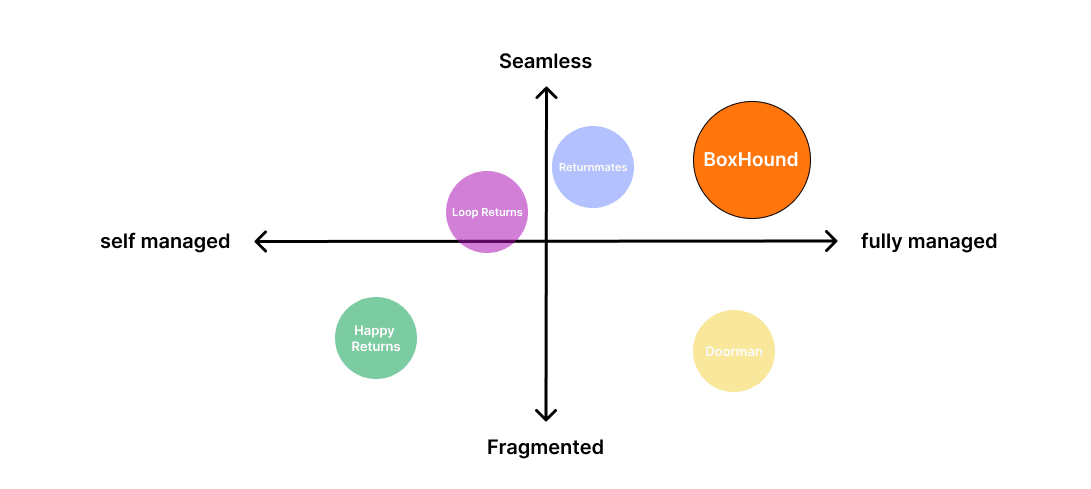
Existing services address parts of the return process, but many remain fragmented
or require user effort. To address this gap, I focused on a fully managed, seamless pickup-based return experience.
Target Audience
Users who struggle to complete returns due to constraints in time, mobility, or scheduling, leading to delayed or missed returns.
Design Strategy
Reduce Cognitive Load: Simply Simplify item selection to make the process fast and effortless, especially for users with limited time or mobility.
Information Architecture: Guide users through return preparation with clear and structured steps to reduce confusion during pickup.
Give Users Control: Provide flexible scheduling and payment options that adapt to users’ routines.
Build Trust Through Transparency: Ensure users feel confident through clear status updates and a predictable return process.
LET'S START BUILDING THE SOLUTION!
Ideation
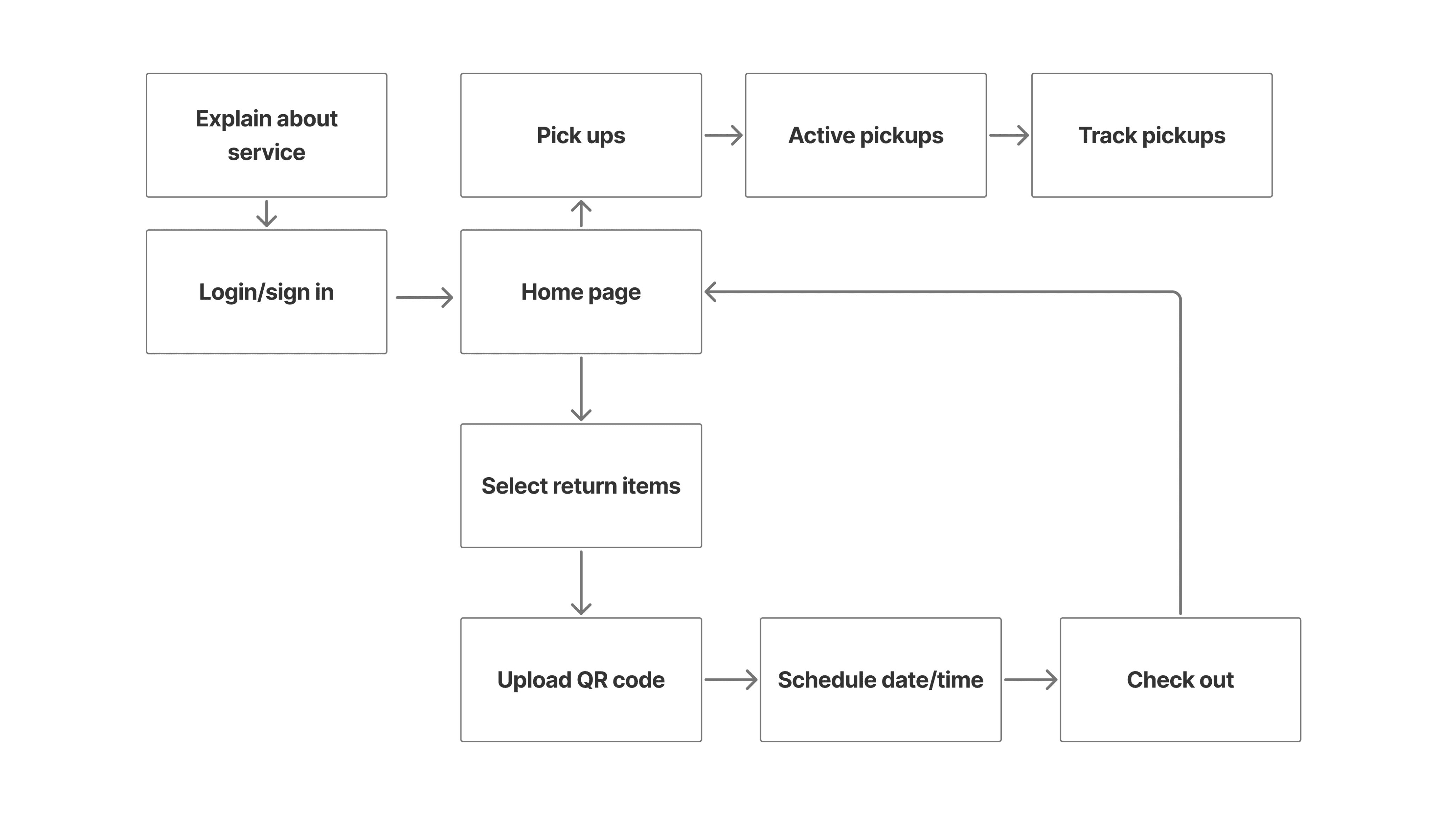
Before creating wireframes, I mapped out a streamlined user flow to reduce drop-off while providing clear visibility into each step of the return and delivery process.
Wireframe
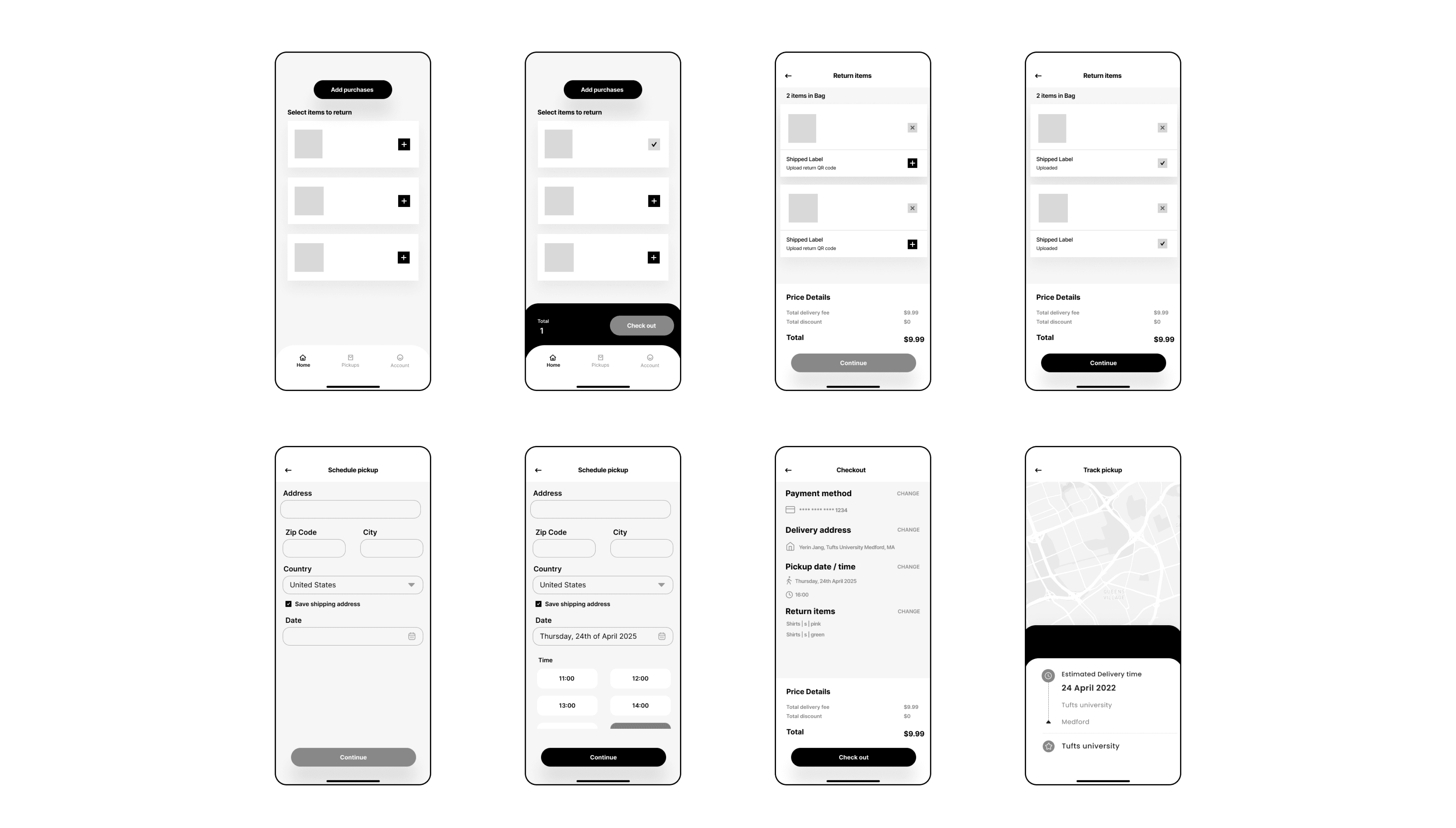
Using these insights, I created low-fidelity wireframes to visualize a streamlined and transparent return process.
Usability Test
Working within a limited timeframe, I conducted usability testing with 10 participants using low-fidelity wireframes to identify key usability issues.
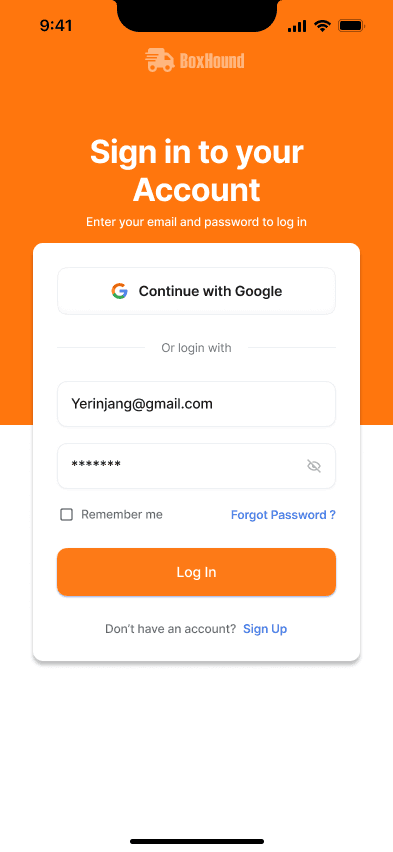
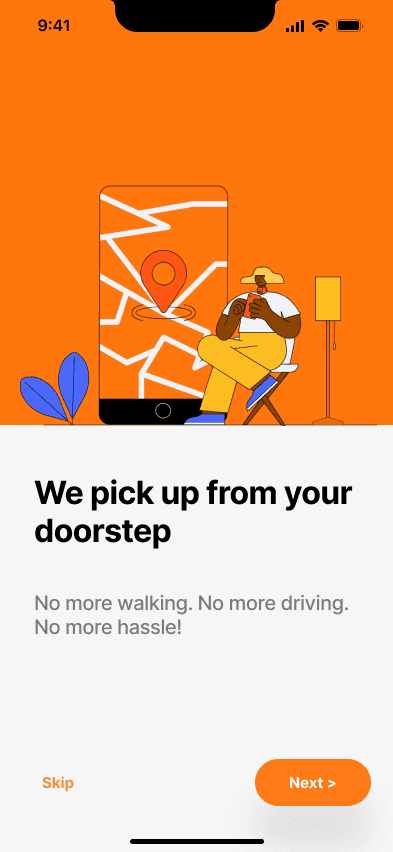
Decision 1: Introducing a Guided Onboarding to Explain the Return Process
Before
After
No onboarding, leading to confusion for first-time users.
Introduced onboarding to improve first-time user experience.
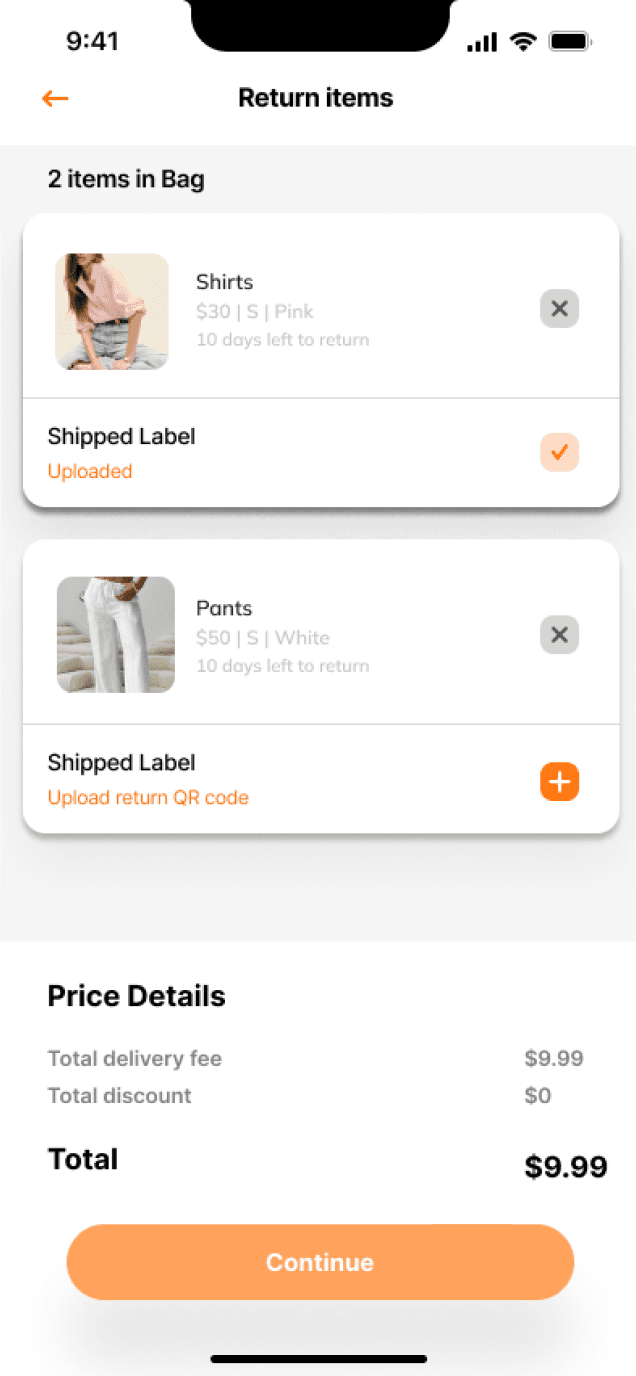
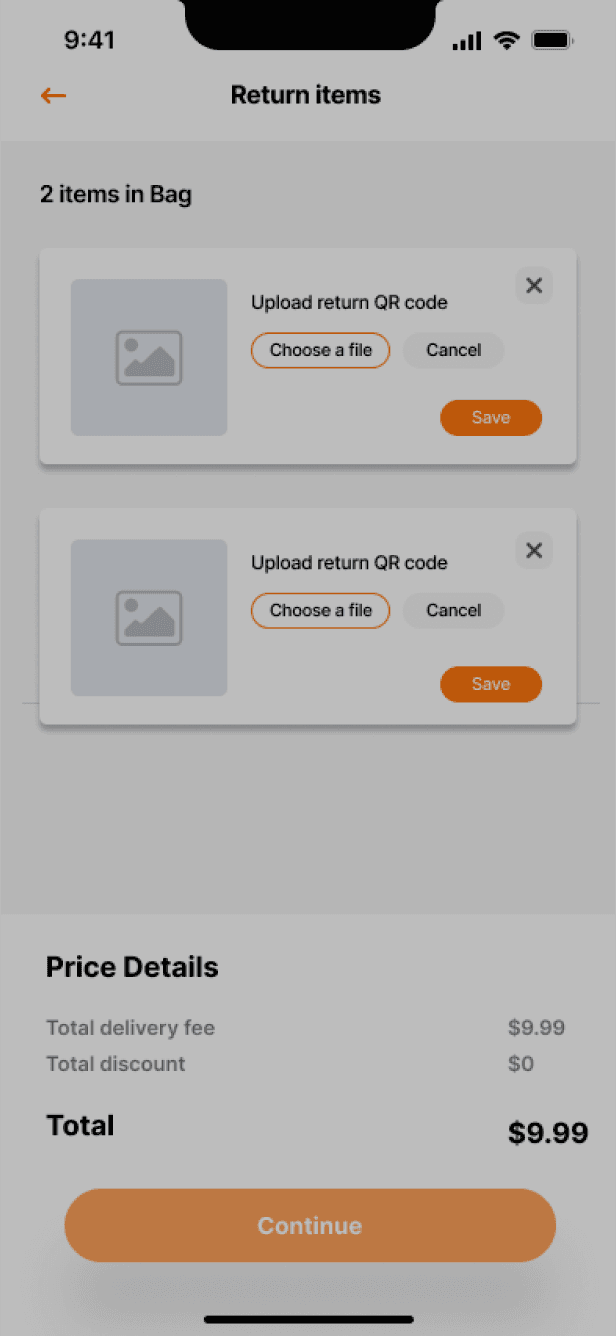
Decision 2: Mapped QR upload actions to each selected item to make the return process clear.
Before
After
No clear connection between items and upload actions
Item-based layout links actions to each product, improving usability.
Takeaway
Through this project, I learned how to connect user research, product design, and business strategy. By designing an end-to-end experience and developing an interactive prototype, I was able to translate user insights into both a functional product and a clear, communicable concept. This experience showed me that successful products require not only strong usability, but also clear communication and alignment with business goals.
Yerin Jang © 2026. Yerin Jang. All rights reserved.